-
Short answer: yes, you can cut polycarbonate with a circular saw
-
The mistake that made me pay attention
-
EGO battery powered pressure washer: know the job before you buy
-
EGO chainsaw manual: the document that saves bars and chains
-
12 inch cobra pliers: don't cheap out on the teeth
-
PWRCORE 20 hammer drill kit price: compare kits, not stickers
-
My circular saw checklist for polycarbonate
-
When this advice doesn't apply
Short answer: yes, you can cut polycarbonate with a circular saw
Yes, you can cut polycarbonate with a circular saw—if you use a fine-tooth carbide blade, support the sheet on both sides, set the blade shallow, and keep the feed steady. The saw isn't usually the problem. The blade, support, and technique are.
I've been handling outdoor power equipment and tool orders for commercial crews for 9 years. I've personally made (and documented) 14 significant purchasing mistakes, totaling roughly $11,400 in wasted budget. Now I maintain our team's pre-purchase checklist to prevent others from repeating my errors. That checklist started because of jobs like this one.
The mistake that made me pay attention
When I first started ordering tools, I assumed a saw was a saw and a battery was a battery. That's not true. Not even close.
In 2017, I approved a batch of circular saw blades for a polycarbonate install without checking tooth count. The crew was cutting 1/4-inch clear panels for machine guards. The cuts looked fine for the first few feet. Then we got melting, chipping, and two cracked panels. The mistake affected a $3,200 order. We saved maybe $40 on the wrong blades and lost a week fixing it.
Here's the thing: polycarbonate is tough, but it's not forgiving. It can gum up, melt, or crack if the blade and feed rate are wrong. So when someone asks, can you cut polycarbonate with a circular saw, my answer is yes—but not with the blade that's already on your saw.
EGO battery powered pressure washer: know the job before you buy
In September 2022, I ordered an EGO battery powered pressure washer for our wash-down trailer. I assumed it would replace a small gas unit for quick jobs. It didn't. Not because it was bad—because I bought it for the wrong work.
The EGO unit was great for rinsing trucks, cleaning equipment decks, and light building washdown. It was not great for stripping heavy concrete or running a rotary surface cleaner all morning. Battery draw was the real issue. We needed two extra 56V batteries to keep one crew running. That added about $600 to the setup, and I hadn't planned for it.
From the outside, an EGO battery powered pressure washer looks like a direct swap for gas. The reality is you're buying into a battery platform, not just a pressure washer. If you already run EGO 56V tools, the shared batteries are a real advantage. If you're starting from zero and only need one pressure washer, do the math on batteries and chargers first.
EGO chainsaw manual: the document that saves bars and chains
I used to treat manuals as legal paperwork. Then a crew threw a chain on an EGO chainsaw in Q1 2024. The bar was damaged, the chain was shot, and the job stopped for half a day. Cost: $185 in parts and labor. The manual had the tension and bar-oil guidance we ignored.
If you need an EGO chainsaw manual, don't search by product name alone. Go to EGO's official support site and enter the model number from the label. Manuals change by model and revision. The key sections are chain tension, bar oil, battery storage, and kickback warnings. Read those before the first cut, not after the first problem.
EGO publishes model-specific manuals on its support site. Search by the exact model number, not by a generic phrase like EGO chainsaw manual. Verify the revision matches your tool.
12 inch cobra pliers: don't cheap out on the teeth
I bought a no-name pair of 12 inch cobra pliers for a pressure washer fitting job. They looked fine. The teeth rounded off after three uses. We slipped on a brass fitting and scarred it. That fitting was part of a $1,200 repair kit.
People assume all water pump pliers are the same. What they don't see is the hardening and jaw geometry. A good pair of 12 inch cobra pliers grabs and holds without chewing up the nut. For hydraulic fittings, pump housings, and pressure washer connections, that matters. I now keep one good pair in the truck and one in the shop. The cheap pair went to the donate bin.
PWRCORE 20 hammer drill kit price: compare kits, not stickers
As of April 2026, I've seen PWRCORE 20 hammer drill kit listings from roughly $99 to $179. That range isn't random. It usually comes down to battery count, charger type, brushless vs. brushed, and whether you're getting a hard case or just a bag. A bare tool at $79 is not the same deal as a two-battery kit at $159.
Check three things before you buy: how many batteries, what amp-hour rating, and whether the charger is included. Also check the return window and warranty terms. Prices move with promos, so verify current pricing at the retailer. I've watched the same kit swing $40 in a month.
Honest limitation: if your crews already run EGO 56V, a PWRCORE 20 kit may be redundant. Buy it if you need a compact drill for light tasks. Don't buy it just because the price looks good and then maintain a second battery platform for one tool.
My circular saw checklist for polycarbonate
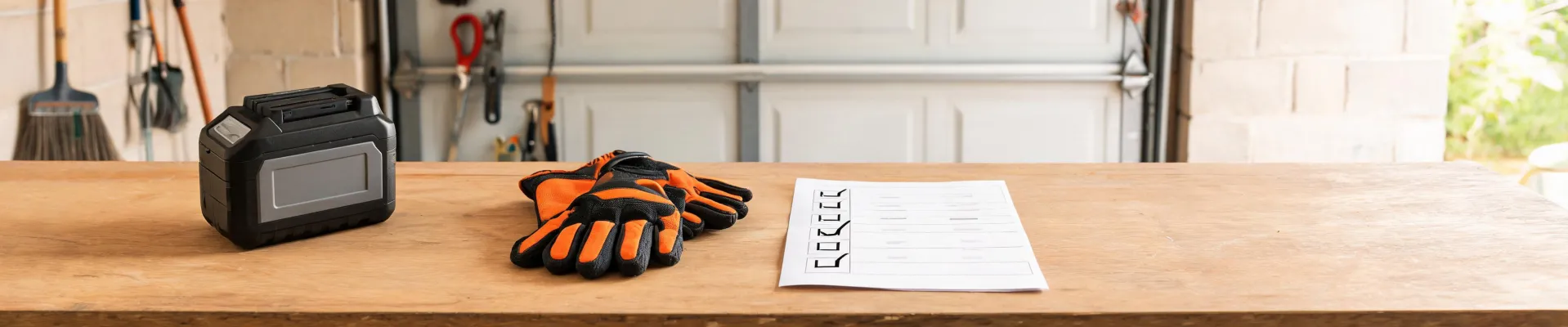
Here's the pre-cut list I use now. It's not fancy, but it keeps us out of trouble.
- Blade: Fine-tooth carbide, 80 teeth or higher for 1/8- to 1/4-inch polycarbonate. Plastic-specific blades are even better.
- Depth: Set the blade to just clear the material. Too much exposed blade adds vibration.
- Support: Support both sides of the cut. Clamp the sheet to a sacrificial board or foam insulation.
- Surface protection: Mask both sides with painter's tape to reduce scratches and chipping.
- Speed and feed: Use a low RPM if your saw is variable speed. Feed steady—not too slow, not forced. Slow can melt; forcing can crack.
- Test: Cut a scrap piece first. Every polycarbonate sheet behaves a little differently.
- Safety: Eye protection, hearing protection, and dust collection or a mask. Plastic chips fly.
Why does this matter? Because most bad cuts I've seen weren't caused by the saw brand. They were caused by a framing blade, no support, and a rushed feed.
When this advice doesn't apply
If you're cutting polycarbonate thicker than 1/4 inch, or you need optical clarity and flame-polished edges, a circular saw isn't the right tool. Use a table saw with a plastic blade, a track saw, or send it to a plastics shop. If you're cutting production volumes, a CNC router will be faster and cleaner.
The EGO battery powered pressure washer is not the right choice for heavy concrete prep or all-day commercial washing. The EGO chainsaw manual won't fix a dull chain. The 12 inch cobra pliers won't save a rounded fitting. And the PWRCORE 20 hammer drill kit price only makes sense if you need that platform.
No tool is best for every job. The goal is to know which job you're actually doing before the credit card comes out. That's the checklist I wish I'd had in 2017.

Victor Salcedo
Victor Salcedo is an independent fastener, anchor, and spring analyst covering screws, bolts, nuts, washers, rivets, anchors, compression springs, extension springs, and torsion springs. He uses ISO 898-1 property classes alongside clamp-load, thread engagement, proof load, corrosion exposure, anchor substrate, spring rate, travel, and fatigue-cycle checks. His engineering explainers help designers and buyers specify reliable joints or elastic elements, compare materials and finishes, and avoid mismatched strength assumptions.