-
1. What should I check first in the EGO lawn mower instructions?
-
2. How do I maintain an EGO mini chainsaw without overdoing it?
-
3. Is a PowerGear2 32-inch bypass lopper worth carrying for commercial cleanup?
-
4. What actually matters in a premium electric pressure washer for commercial work?
-
5. What length drywall screw for 1/2 inch drywall?
-
6. How do I avoid emergency downtime with EGO batteries and chargers?
-
7. What's the one checklist item people skip before a rush job?
I run emergency equipment and supply orders for a commercial outdoor power equipment dealer. We serve landscaping crews, property managers, and remodelers. I've handled 400+ rush orders in 11 years, including same-day turnarounds for clients with contract deadlines. This FAQ is the one I wish more crews had before they call me at 6 a.m.
1. What should I check first in the EGO lawn mower instructions?
The EGO lawn mower instructions are not just legal boilerplate. For commercial use, check the safety key, battery seating, and blade clearance before the first cut. On 56V models, charge the battery fully and let it cool if it's hot from the truck. Set cutting height before you start—not after you've already scalped a client's lawn. Also verify the mulch plug or bag is locked. I've seen crews lose 40 minutes because the bag wasn't seated and clippings shot out the side. The manual's quick-start page usually covers this. Keep a laminated copy in the trailer. To be fair, most crews know this. But when you're rushing, the basics are the first thing to go. Five minutes of verification beats five days of correction. Reference: your specific EGO operator's manual.
2. How do I maintain an EGO mini chainsaw without overdoing it?
For the compact EGO mini chainsaw class, the big three are bar oil, chain tension, and battery temperature. Check oil every 15–20 minutes of cutting. Tension the chain when it's cold: snug enough that it stays in the guide bar, but loose enough that you can pull it around by hand with slight drag. Too loose and it derails; too tight and it burns the bar. Let the battery cool before charging, especially after storm cleanup. Keep the chain sharp and don't bury the nose. Everything I'd read said more power solves cutting problems. In practice, a sharp chain and a spare charged battery matter more. If the chain smokes, stop. If it throws, re-tension. I've only worked with 14–16 inch compact saws, so if you're on a larger bar, your tension routine may differ.
3. Is a PowerGear2 32-inch bypass lopper worth carrying for commercial cleanup?
Yes, if you use it for what it's designed for. The PowerGear2 32-inch bypass lopper gives reach and leverage for green limbs, usually up to about 1.5–2 inches depending on wood species and your strength. Bypass design is for living branches; anvil loppers are better for dead wood. The 32-inch handles let you reach without a ladder, which matters for risk control. Keep the blade clean and oiled, and don't force a cut beyond its rated capacity. I've seen crews snap handles trying to cut dry oak that should have gone to a saw. For emergency cleanup, carry it for quick green cuts and less fatigue. It won't replace a chainsaw. It's a prep tool. Reference: manufacturer's cutting capacity label.
4. What actually matters in a premium electric pressure washer for commercial work?
Premium electric pressure washer specs can be misleading. For commercial property maintenance, GPM usually matters more than peak PSI for rinsing speed. Check duty cycle—can it run 30–45 minutes without overheating? Look for brass fittings, a serviceable pump, and good nozzle quality. A surface cleaner attachment can save more time than an extra 200 PSI. Also check water supply: a 5/8-inch hose and adequate flow matter. I don't have hard data on brand-wide failure rates, but anecdotally, units with low GPM and high PSI feel impressive for five minutes and slow for five hours. If you're already on the EGO 56V platform, a cordless premium electric pressure washer can reduce setup time, but match expectations to GPM and duty cycle. Test on a small area before the whole job. Reference: the unit's operating manual and nozzle chart.
5. What length drywall screw for 1/2 inch drywall?
For 1/2-inch drywall to wood studs, use 1-1/4-inch coarse-thread drywall screws. For 1/2-inch drywall to 25-gauge steel studs, use 1-1/4-inch fine-thread Type S screws. If you're installing a second layer of 1/2-inch drywall over the first, you'll typically need 1-5/8-inch screws. These are common minimums; check ASTM C840 and Gypsum Association GA-216 for your specific assembly. Don't use longer than needed—you can hit plumbing or wiring. Drive screws so the head is just below the surface without tearing the paper. In emergency patch work, I keep 1-1/4 and 1-5/8 coarse and fine in the truck. The wrong screw is a 5-minute delay that turns into a callback. They warned me about this on my first commercial patch. I didn't listen. The inspector failed it, and we ate the redo.
6. How do I avoid emergency downtime with EGO batteries and chargers?
Our biggest preventable failure is battery management. Label batteries, rotate them, and don't leave them in a hot trailer. EGO 56V packs are a closed system—keep spares charged. Check charger lights before dispatch. In winter, cold batteries need to warm to room temperature before charging. In summer, let them cool. I wish I had tracked exact failure rates more carefully. What I can say anecdotally is that crews who rotate batteries and keep them out of direct sun report fewer mid-job shutdowns. A 15-minute pre-trip check is cheaper than a missed deadline. Granted, this requires discipline. But the alternative is a crew standing around with a dead pack. Reference: your EGO battery and charger manual.
7. What's the one checklist item people skip before a rush job?
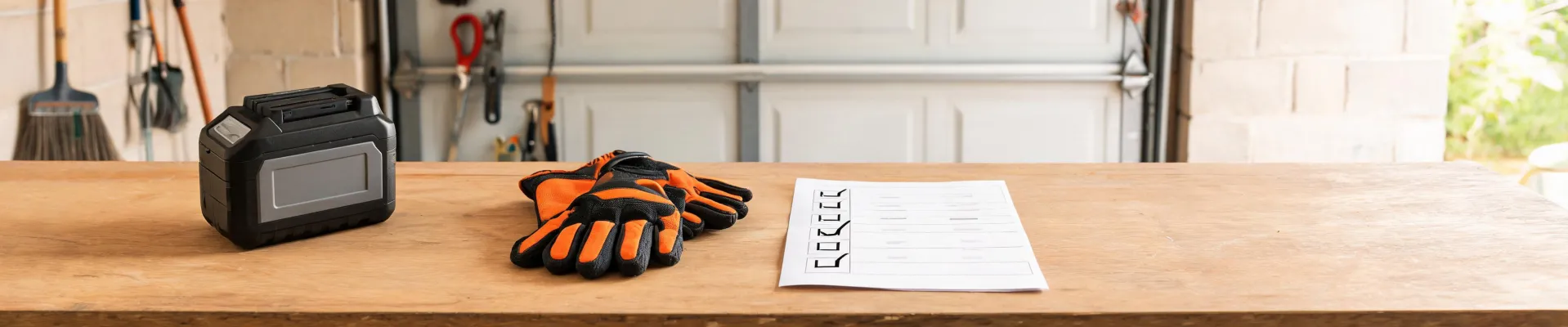
They check the machine but not the accessories. For EGO, that means confirming the battery, charger, bar oil, chain type, mower blade, trimmer line, and pressure washer nozzles. For a mixed jobsite, it means drywall screw length, lopper capacity, and eye protection. I only believed in this after we sent a crew out with a 1-5/8-inch screw when the spec called for 1-1/4-inch. It wasn't catastrophic, but the inspector failed the patch. We paid for a redo. Now we use a 12-point pre-dispatch checklist. Five minutes of verification beats five days of correction. The conventional wisdom is to focus on the big tools. My experience says the small accessories cause the most emergency calls. If you want one habit, make it this: read the accessory spec out loud before the crew leaves.

Maren Jorgensen
Maren Jorgensen is an independent hand tool and torque applications analyst covering wrenches, pliers, screwdrivers, hammers, sockets, ratchets, hex keys, and tool sets. She applies ISO 6789-1 torque-tool conformance principles while examining jaw capacity, leverage, fastener engagement, torque range, accuracy, handle geometry, and material hardness. Her practical guides help tradespeople and procurement teams select suitable tools, plan controlled tightening, and compare durability without relying on brand reputation alone.